Wisdom Tooth Pain: How to Know If It's Normal, What to Do About It, and When to See a Dentist
Wisdom teeth have a reputation for showing up at the worst possible time—during exams, travel, new jobs, or late at night when every clinic seems closed. The first thing people ask is simple: is thiswisdom tooth pain normal… or is something wrong?
The honest answer: it depends. Some discomfort can happen when awisdom tooth is coming in. But pain can also be a sign of an impacted wisdom tooth, gum infection, decay you cannot see, or an early wisdom tooth infection.
This guide will help you recognize the difference, find safewisdom tooth pain relief strategies, and know when to stop waiting and get evaluated.
What Wisdom Tooth Pain Usually Feels Like
Wisdom tooth discomfort typically comes from one of three sources:
- Eruption pressure: the tooth is moving through gum tissue.
- Inflamed gum tissue: gum irritation where bacteria and food get trapped.
- Impaction pressure: the tooth is blocked and pushing into the next tooth or bone.
Common symptom patterns
- Dull ache at the very back of the jaw
- Tenderness when chewing or opening wide
- Gum swelling behind the last molar
- Pain that radiates toward the ear/temple
When Wisdom Tooth Coming In Pain Can Be “Normal”
Some soreness can be normal during eruption—especially if it is mild, short-lived, and improves over a few days.
Signs it may be mild eruption discomfort
- Pain is intermittent and improving
- No facial swelling
- No fever
- No foul taste or pus
Even if it feels “normal,” it can still be smart to get an exam and radiographs if your dentist hasn’t evaluated your wisdom teeth recently.
Impacted Wisdom Tooth: Symptoms That Suggest It’s Not Just Eruption
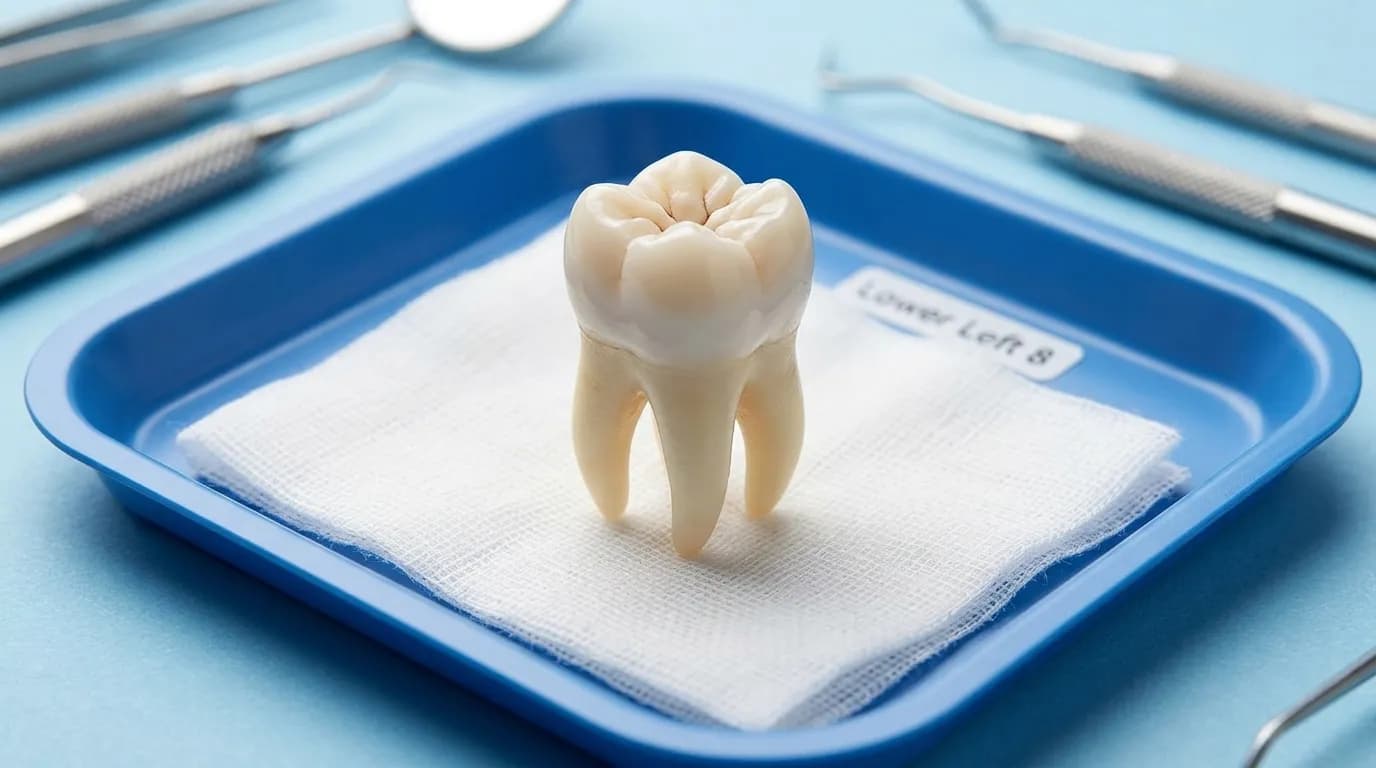
An impacted wisdom tooth means the tooth cannot fully erupt into a functional position. It may be angled into the second molar or trapped under gum/bone.
Common signs of impaction
- Persistent pain that lasts more than a few days
- Pain that worsens with chewing
- Swollen gum flap that keeps getting irritated
- Limited mouth opening or jaw stiffness
- Food trapping behind the last molar
Wisdom Tooth Infection: Red Flags to Take Seriously
A wisdom tooth infection can begin as inflammation around a partially erupted tooth and can worsen if bacteria and debris remain trapped.
Seek urgent dental evaluation if you have:
- Facial swelling
- Fever, chills, or feeling generally unwell
- Bad taste, drainage, or pus
- Rapidly increasing pain
- Trouble swallowing or breathing (medical emergency)
Wisdom Tooth Pain Relief: What Helps (Short-Term)
These options can help with comfort while you wait to be seen. They do not treat impaction or infection.
- Warm salt-water rinses for irritated gums
- Cold compress externally for swelling
- Soft foods and avoiding chewing on the painful side
- Over-the-counter pain relief as directed on the label (if appropriate)
When to Consider Wisdom Teeth Removal Near Me
The decision for removal depends on positioning, symptoms, and risk to neighboring teeth. If you end up searchingwisdom teeth removal near me, it usually means you need a dentist or oral surgeon to assess:
- Impaction angle and available space
- Decay in the wisdom tooth or second molar
- Recurring inflammation/infections
- Gum pocketing and cleaning difficulty
How DentalShelter Helps You Get Seen Faster
Back-of-mouth pain is notoriously hard to describe. DentalShelter helps you pinpoint the exact location and symptom pattern so you can communicate more clearly when you call.
Suggested Next Reads
- If pain is escalating: Emergency Dentist Near Me: What to Do in the Next 30 Minutes
- If you’re not sure which tooth: Tooth Pain but No Idea What's Wrong?
Use DentalShelter's 3D mouth model to mark the exact location and symptom, then use Nearby Practices to find an oral surgeon near you.
Frequently Asked Questions
How long does wisdom tooth pain last when a tooth is coming in?
Mild eruption discomfort may come and go for a few days at a time. If pain persists, worsens, or keeps recurring, you should get evaluated for impaction or infection.
What are signs of an impacted wisdom tooth?
Common signs include ongoing pain at the back of the jaw, swelling around the gum flap, food trapping, jaw stiffness, and pain when chewing.
How do I know if I have a wisdom tooth infection?
Bad taste/drainage, increasing swelling, fever, and rapidly worsening pain are common red flags. Seek urgent dental care.
Should I search “wisdom teeth removal near me” or see my dentist first?
Either can work. Many dentists evaluate and refer for surgical removal when appropriate. If you have significant swelling or severe pain, seek care quickly.